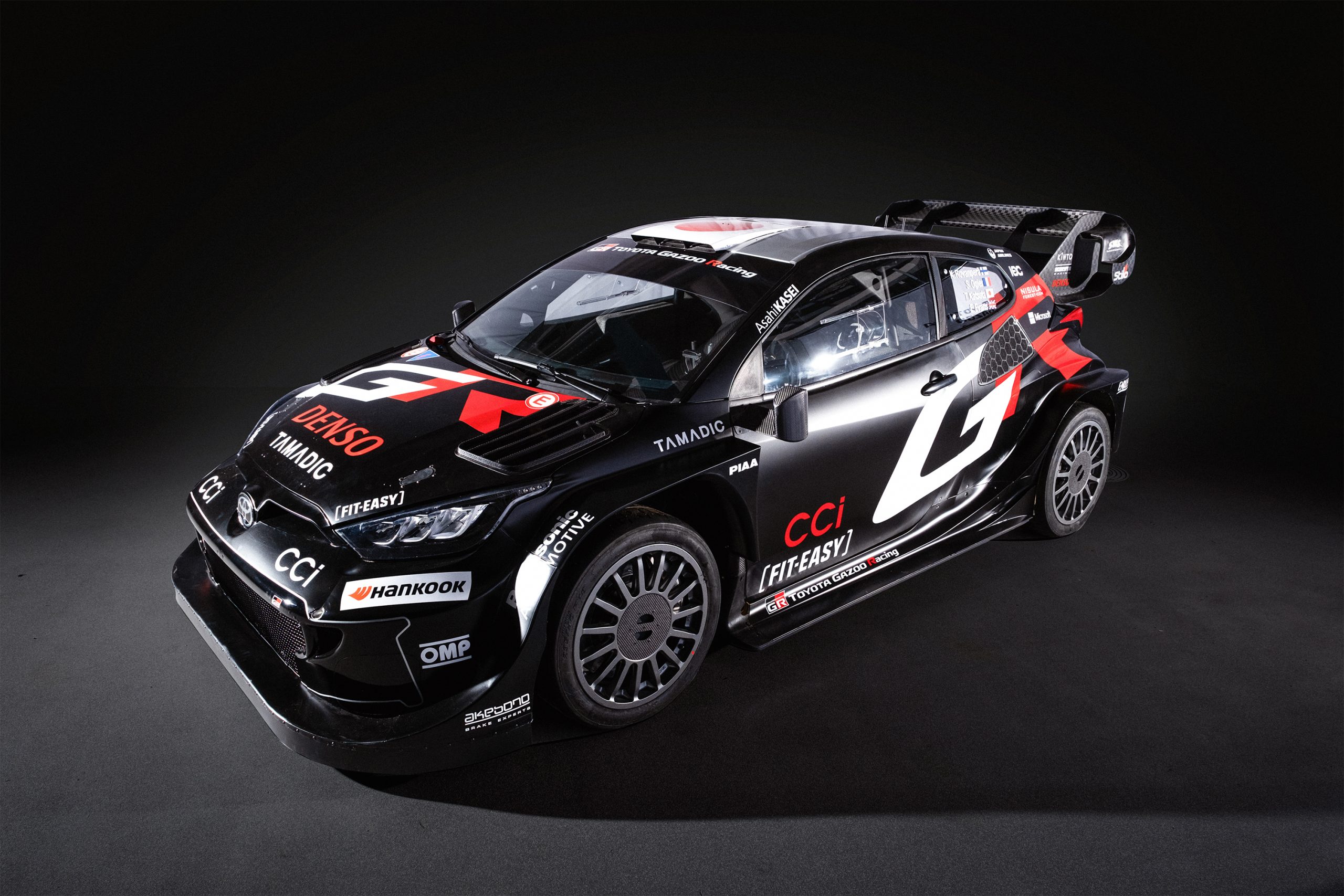
TOYOTA GAZOO Racing (TGR) today dramatically altered the landscape of high-performance automotive engineering and customer motorsports with the world premiere of two new flagship models: the GR GT and the GR GT3. Unveiled publicly as highly advanced prototypes, these vehicles embody TGR’s unwavering commitment to the philosophy of creating “ever-better motorsports-bred cars,” leveraging insights gained directly from the heat of global competition. These machines are not merely successors to iconic Toyota and Lexus performance vehicles, but technological torchbearers, designed to transfer the company’s deepest secrets of car-making to the next generation of engineers and drivers.
The two unveiled models are unified by a singular, uncompromising vision: to provide the ultimate driving experience through relentless pursuit of performance efficiency. This objective is realized through the enhancement of three core engineering pillars: a low center of gravity, low weight coupled with high rigidity, and the absolute maximization of aerodynamic performance.
This detailed exposition explores the strategic context, technical innovations, and the unique, driver-centric development methodology that defines the GR GT and its racing counterpart, the GR GT3, positioning them as the spiritual heirs to legendary models like the Toyota 2000GT and the Lexus LFA.
I. The GR GT: A Road-Legal Race Car Concept
The GR GT is immediately positioned as TGR’s new road-legal flagship sports car. Its concept is revolutionary in its simplicity: a machine developed first and foremost as a race car, with the necessary concessions made to achieve road legality, rather than the reverse. This approach fundamentally shifts the priorities of the engineering team, ensuring that ultimate dynamic capability is baked into the very foundation of the vehicle’s architecture.
The Driver-First Development Ethos
The development of the GR GT is defined by a radical “driver-first” approach. This methodology, which also guided the creation of the GR GT3 race car, transcends mere driver comfort or feature installation. It is an iterative process centered on listening to, deeply understanding, and fulfilling the precise, nuanced needs of the person behind the wheel—from the professional racer to the enthusiastic gentleman driver.
This philosophy was institutionalized by a “one-team approach” spearheaded by TMC Chairman Akio Toyoda, known to the racing world as Master Driver Morizo. Under his guidance, professional drivers such as Tatsuya Kataoka, Hiroaki Ishiura, and Naoya Gamou, alongside gentleman driver Daisuke Toyoda and in-house evaluation experts, worked in absolute unison with engineers. This collaborative feedback loop was essential to achieve the critical aim: fostering a sense of car-driver unity, allowing the driver to interact seamlessly and intuitively with the vehicle at all times, especially at the limit.
Preserving the “Secret Sauce”
Central to the purpose of these new flagships is the concept of preserving and passing on “the secret sauce of car-making.” TGR refers to this transmission of skills and knowledge as “Toyota’s Shikinen Sengu,” a reference to the 1,300-year-old tradition in Japan of rebuilding the Ise Grand Shrine every two decades to preserve traditional building techniques by having each generation rebuild the structure.
In this context, the GR GT and GR GT3 represent the transfer of highly specialized skills and techniques from the veterans who developed the groundbreaking Lexus LFA to the younger generation of TGR engineers. This generational handover, combined with the active adoption of Toyota-first technologies, ensures that the company’s core performance DNA remains vibrant and evolves into the future.
II. Core Engineering Pillars: The Three Commandments of Performance
The design and engineering of the GR GT were governed by the three performance pillars, resulting in a vehicle targeting overwhelming performance metrics: a maximum system output of 650 PS or greater and maximum system torque of 850 Nm or greater.
1. Vehicle Packaging for an Ultimate Low Center of Gravity
The starting point for the GR GT’s development was an obsessive focus on achieving a thoroughly low center of gravity. This necessitated considering how to lower the overall vehicle height and the driver’s seating position as much as physically possible.
- Optimal Layout: The engineers adopted a classic front-engine, rear-wheel-drive (FR) powertrain layout, prized for its handling balance, especially when driving the vehicle to its absolute limit.
- Heavy Component Placement: Heavy mechanical components were strategically placed to drive the center of gravity down. This includes a newly developed 4-liter, V8 twin-turbo engine featuring dry-sump lubrication (eliminating the need for a deep oil pan) and a rear-mounted transaxle.
- Driver-Car Synchronization: By pursuing an ideal driving position, the centers of gravity of both the driver and the car have been made nearly identical, a crucial factor in enhancing the sense of unity and simplifying handling at high speeds.
2. Low Weight with High Rigidity: The All-Aluminum Frame
For the second key element, the GR GT pioneers the use of Toyota’s first all-aluminum body frame. This represents a significant technological leap in mass-production sports car construction for the company.
- Structure: High rigidity is achieved through the optimal positioning of large aluminum castings within the frame’s main structure, supplemented by strategically placed aluminum extrusions and the use of advanced joining technologies.
- Body Panels: Further weight reduction is realized through the careful, appropriate use of lightweight materials for the body panels, including standard aluminum, carbon fiber reinforced plastic (CFRP), and plastic composites, resulting in a body that is both strong and exceptionally light, targeting a total vehicle weight of 1,750 kg or lower.
3. Aerodynamics First: The Reverse Approach to Styling
The exterior styling process for the GR GT was a distinct reversal of conventional Toyota car-making methodology, driven entirely by the pursuit of aerodynamic performance.
- Aerodynamic Model First: Traditionally, exterior styling is finalized before aerodynamic efficiency is optimized. For the GR GT, with its targeted top speed exceeding 320 km/h, the ideal aerodynamic performance was established first. Aerodynamics engineers experienced in FIA World Endurance Championship (WEC) competition vehicle development established an “aerodynamic model”—their proposal for the ideal vehicle form—and then worked alongside exterior designers to achieve styling that met both aerodynamic and critical cooling requirements.
- Functional Interior: The interior design was equally meticulous, focused on ergonomics. The optimal driving position and visibility, as dictated by professional drivers, guided the layout, with driving-related switches placed near the steering wheel for intuitive, at-the-limit operation. While prioritizing circuit function, care was also taken to ensure its suitability for everyday road use.
III. The Heart of the Beast: The New V8 Twin-Turbo Hybrid Powertrain
The GR GT is equipped with a sophisticated hybrid system built around a newly developed internal combustion engine that marks a significant milestone for the manufacturer.
- Engine Specifications: The core is a 4-liter, V8 twin-turbo engine (3,998 cc), the first of its kind to be fitted in a production vehicle by Toyota Motor Corporation (TMC). Developed with a “thoroughly compact and light” concept, its short stroke (bore 87.5 mm × stroke 83.1 mm) and hot V configuration (placing the turbos within the V-bank) contribute to a reduced overall engine height and low center of gravity. It also features dry-sump lubrication for high-G protection.
- Transaxle Hybrid: The engine’s power is routed to the rear wheels via a CFRP torque tube to a rear transaxle. This transaxle integrates a single electric motor-generator and a newly developed 8-speed automatic transmission which utilizes a wet-start clutch in place of a traditional torque converter, alongside a mechanical limited-slip differential.
- Balance: This powertrain setup, combined with the optimal placement of the drive battery and fuel tank, achieves a near-perfect handling balance with a 45:55 front-to-rear weight distribution, significantly contributing to the vehicle’s handling ease.
- Sound Engineering: Development also focused on the visceral experience, meticulously crafting the exhaust pipe structure to produce a distinctive V8 twin-turbo sound that synchronizes with the vehicle’s state, enhancing the crucial driver-car interaction.
IV. The GR GT3: Race-Winning Capability for the Customer
The GR GT3 is the racing derivation of the GR GT, engineered specifically to meet the stringent technical regulations of the Federation Internationale d’Automobile (FIA) GT3 category. GT3 represents the pinnacle of production vehicle-based customer motorsports, making this model a direct challenger to the world’s elite manufacturers.
The GR GT3 shares the fundamental design principles of its road-going sibling—the low center of gravity, low weight with high rigidity, and superior aerodynamics—but is adapted for the unique demands of the circuit. While the width is slightly greater (2,050 mm) and the height significantly lower (1,090 mm) than the GR GT, its core componentry, including the 4-liter, V8 twin-turbo engine, shares many structural elements with the road car, underscoring the “race car first” philosophy.
Crucially, TGR maintains its driver-first principle for the GR GT3, recognizing that the GT3 category is driven by both professional factory drivers and paying gentleman drivers. The goal is to create a car that not only has heightened competitiveness but is also “easy to drive for anyone,” promoting accessibility and enjoyment across the spectrum of racing talent. TGR is also committing to establishing a comprehensive support system for customer racing teams, ensuring they can fully maximize the potential of the machine.
V. Unprecedented Development and Testing Methodologies
The flagship models were forged through new development and manufacturing methods that leverage TGR’s deep experience in competition.
- Simulator-Assisted Development: TGR utilized driving simulator-assisted vehicle research and development early in the process—a methodology now common in Formula 1 and WEC but less so in initial sports car conceptualization. This allowed engineers to efficiently refine fundamental vehicle characteristics before a physical prototype was fully finalized.
- Global Testing Regimen: Extensive real-world testing was conducted not only at Toyota Technical Center Shimoyama but also at iconic circuits worldwide, including Fuji Speedway and the demanding Nürburgring Nordschleife. This global circuit testing verified at-the-limit driving performance and critical durability.
- Real-World Exhilaration: Notably, the GR GT testing also included public road trials. This dual-focus ensured the model retained the ability to provide exhilarating yet secure driving characteristics, combining racing precision with the “peace of mind” required for everyday use.
- The GR Philosophy: True to the ethos of all GR models, the prototypes were repeatedly honed, driven to failure, repaired, and re-tested, ensuring they are robust enough to meet and exceed the extreme expectations of all potential drivers.
With the basic structures of the all-aluminum chassis, the front-and-rear low-mounted double-wishbone suspension system (with forged aluminum arms), and the V8 twin-turbo engine designed for maximum shared componentry, TGR is ensuring an efficient development and manufacturing path for both the road car and the race car.
The development of the GR GT and GR GT3 is ongoing, with TGR aiming for a market launch around 2027. These vehicles represent the crystallization of decades of racing wisdom, the preservation of legendary engineering know-how, and a daring technological leap—setting a formidable new benchmark for the future of the high-performance automobile.



Tinggalkan Balasan